
Breed Heritage
What is tolling? The duck-luring trick that named a breed
"Tolling" means luring — and the Nova Scotia Duck Tolling Retriever is the only dog breed on earth developed to do it. The job: play so irresistibly along a shoreline that wild ducks swim toward the danger.
Written from Nova Scotia, where the technique was born. Part of our Breed Library.
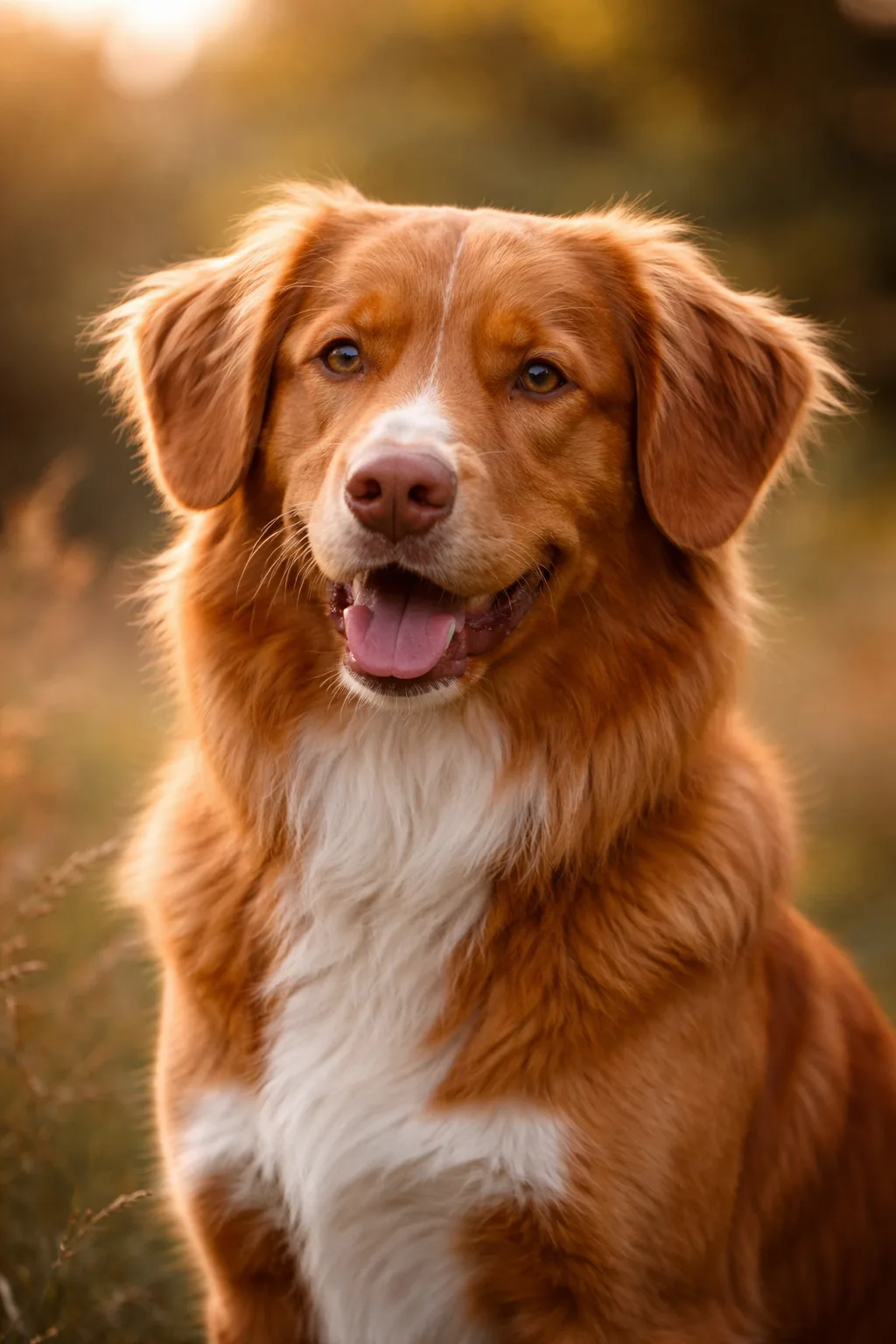
- Dog plays on the shore
- Curious ducks swim closer
- Hunter flushes and shoots
- Dog retrieves — job complete
The word itself
"Toll" here has nothing to do with bells or highways. It comes from the Middle English tollen — to entice, to draw in. Nineteenth-century waterfowlers spoke of "tolling ducks" the way anglers speak of luring fish. A tolling dog was the lure.
Nova Scotia's early names for the breed say it plainly: the Little River Duck Dog, after the Yarmouth County district where market gunners perfected the technique in the early-to-mid 1800s.
Borrowed from the fox
Hunters had long watched foxes "charm" rafted ducks — frolicking on the bank until curious birds drifted close, then striking. Toller breeders built a dog that plays the fox's part on command: small, quick, rusty red, with white flashes that catch the eye.
How a tolling hunt works, step by step
1. The setup
Hunter and dog hide in a blind on shore, ducks rafted far out on open water — beyond any decoy's reach.
2. The toll
The hunter tosses a stick or ball along the beach. The dog fetches it — again and again — in bouncy, playful dashes, tail flagging, never barking, seeming to ignore the birds.
3. The draw
Curiosity does the rest. Ducks and geese turn and paddle toward the flickering red-and-white motion, often in tight, mesmerized groups.
4. The flush
With birds in range, the dog is called to heel behind the blind. The hunter stands; startled birds spring up.
5. The retrieve
Now the dog does the retriever half of its name: marking falls and swimming out through cold Atlantic water to bring birds to hand.
Why it's remarkable
One dog performs two opposite jobs in one hunt: theatrical excitement on the toll, then instant calm and control at the flush.
Built for the job, head to tail
Almost everything distinctive about the Toller traces back to tolling. The red coat with white markings mimics the fox and stays visible at distance. The constantly wagging, heavily feathered tail is the lure's flag. The compact size (17–21 inches — the smallest retriever) reads as "harmless fox," not "wolf." The water-repellent double coat and webbed feet handle icy salt water; the boundless energy sustains an hour of theatrical fetch; and the intensity that produces the famous Toller scream is the same drive that made the show on the beach convincing.
Form follows function
- Fox-red coat, white flashes → the visual lure
- Flagging tail → motion that catches ducks' eyes
- Smallest retriever → unthreatening silhouette
- Double coat, webbed feet → Atlantic swimming
- Relentless fetch drive → an hour-long performance
Tolling today
Tolling is still practiced by a small number of waterfowlers in Atlantic Canada and elsewhere, and breed clubs run field tests that preserve the working style. But most modern Tollers channel the instinct into dog sports — agility, dock diving, flyball — and into ordinary fetch, performed with wildly unnecessary showmanship.
Watch a pet Toller on a beach: the sprint-and-bounce retrieve style, the bird obsession, the play bows thrown at nothing in particular. That's not a quirk. That's a working behavior looking for its shoreline.
The instinct at home
- Obsessive, stylish fetch — the toll without the hunt
- Bird-watching at windows and on walks
- Shoreline zoomies and fearless swimming
- The excited scream when the ball comes out
Where the story began
From the Little River Duck Dog to AKC recognition in 2003 — the full history of Canada's shoreline specialist.
Frequently asked questions
What does "tolling" mean?
Luring. From Middle English tollen, to entice — a tolling dog draws curious waterfowl within range by playing along the shore.
Do ducks really swim toward the dog?
Yes — curiosity-driven predator inspection is well documented in waterfowl. Foxes exploit it naturally; the Toller was bred to reproduce the effect on command.
Is the Toller the only tolling breed?
It is the only surviving breed developed specifically for tolling. Historical accounts mention European "decoy dogs" (like the Dutch Kooikerhondje working duck traps), but the open-water tolling retriever is Nova Scotia's alone.
Can I try tolling-style work with my pet Toller?
Breed clubs offer field tests, and structured shoreline fetch plus retrieving games scratch the same itch. See our dog sports guide.
Related resources
Story: The dance of the decoy
The tolling dance at the water's edge — and who it really lures.
Read the storySources
Trusted references for breed history and standards.